
Japanese Art Styles: Transform Your Photos Into Beautiful Japanese Artwork
Upload a photo and transform it into Ukiyo-e, Sumi-e, Nihonga, anime, manga, Emakimono, and more with 14 identity-preserving Japanese art style AI prompts.
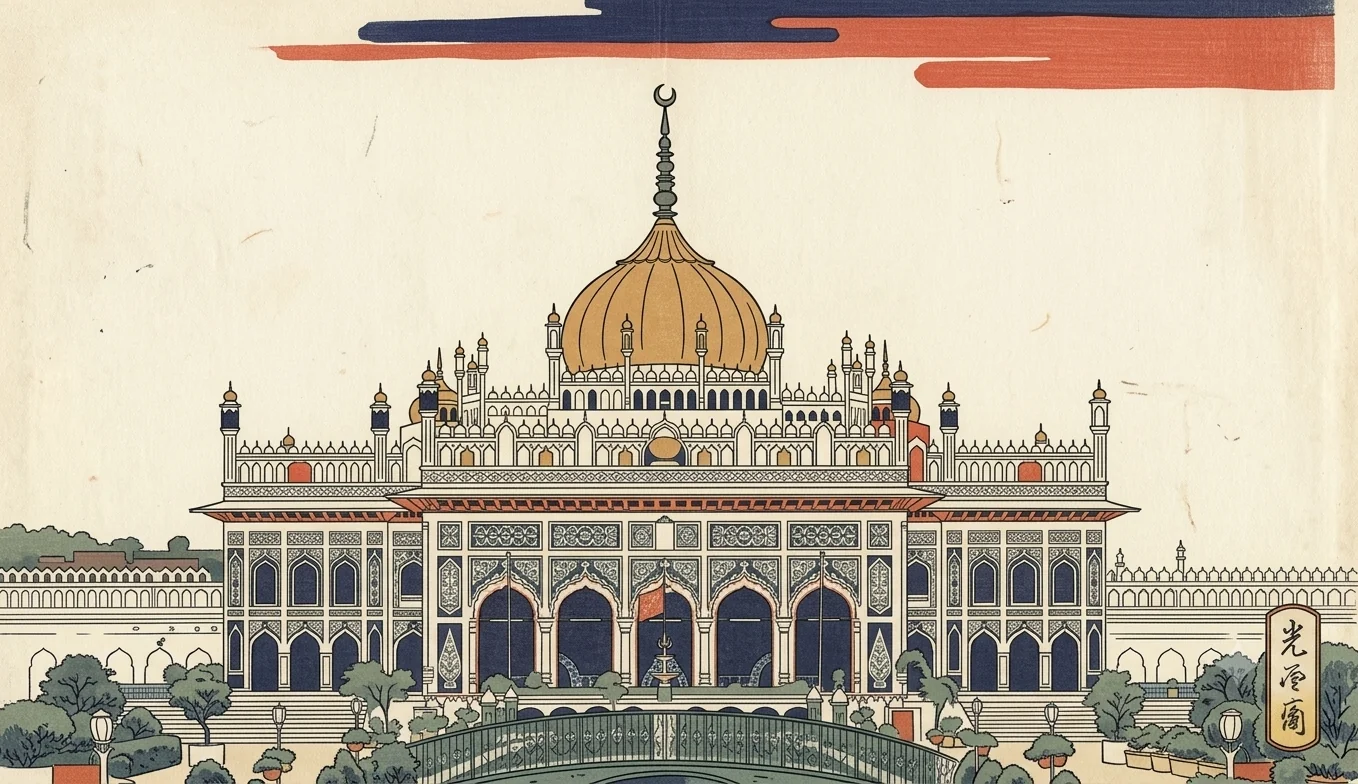
Japanese art has a unique visual language shaped by centuries of painting, printmaking, calligraphy, storytelling, nature, and craftsmanship. From the bold lines of Ukiyo-e to the delicate brushwork of Sumi-e, Japanese art includes a remarkable variety of styles, techniques, colors, textures, and compositions.
Our new Japanese Art Style Collection brings these artistic traditions into the digital world. Upload a photo and transform it into a carefully designed Japanese-inspired artwork while preserving the important characteristics of the original image.
Whether you want anime art, a contemporary Nihonga painting, classic Ukiyo-e, or an Emakimono handscroll look, this pack gives you 14 distinct artistic directions.
Explore Japanese art through AI
A generic “Japanese art” prompt is not enough. Japanese art contains many distinct traditions, and each has its own visual characteristics:
- Ukiyo-e uses strong outlines, flat color areas, and woodblock-print aesthetics.
- Sumi-e focuses on expressive ink, brushwork, and negative space.
- Nihonga uses traditional Japanese painting materials and techniques.
- Emakimono presents images as narrative handscroll illustrations.
- Manga relies on ink lines, screentones, and expressive visual storytelling.
- Anime uses stylized character design, clean linework, and cinematic color.
This collection is designed around those differences rather than treating every style as the same filter.
14 Japanese art styles to explore
1. Ukiyo-e Woodblock
Ukiyo-e Woodblock is one of the most recognizable forms of Japanese art. Traditional woodblock prints are known for strong outlines, flattened perspective, carefully controlled colors, and distinctive compositions. Expect bold outlines, flat color areas, traditional palettes, woodblock texture, washi-paper appearance, and Edo-period visual aesthetics.
2. Sumi-e Ink Painting
Sumi-e Ink Painting takes a completely different approach. Instead of many colors, Sumi-e uses ink density, brush pressure, and negative space to create depth and emotion. The result is minimalist, expressive, and elegant — ideal for portraits, landscapes, and nature photography.
3. Japanese Watercolor
Japanese Watercolor uses soft natural pigments, translucent washes, and handmade paper grain. It is a strong choice when you want refined painterly detail without anime stylization.
4. Japanese Ink & Color Illustration
Japanese Ink & Color Illustration combines precise brush-ink outlines with restrained color washes and elegant negative space for a sophisticated traditional-illustration look.
5. Japanese Manga
Japanese Manga emphasizes black ink, screentones, cross-hatching, and dramatic shadows. It is especially effective for portraits and storytelling-oriented images.
6. Japanese Sakura Painting
Japanese Sakura Painting places the subject in a refined spring composition with soft sakura pinks, flowering branches, and warm daylight atmosphere.
7. Edo Samurai Aesthetic
Edo Samurai Aesthetic creates a historically inspired Edo-period portrait with indigo and ochre pigments, formal composition, and samurai-era costume cues where appropriate.
8. Japanese Night / Neon
Japanese Night / Neon blends contemporary Japanese night streets with lantern light, neon reflections, and cinematic atmosphere — modern without tipping into generic cyberpunk overload.
9. Contemporary Nihonga
Contemporary Nihonga combines traditional Japanese painting materials — mineral pigments, washi texture, fine brushwork — with a modern fine-art approach. Ideal when you want a painting, not an anime illustration.
10. Japanese Anime
Japanese Anime focuses on clean linework, expressive eyes, refined character design, cinematic lighting, and controlled cel shading while retaining the recognizable characteristics of the original person.
11. Japanese Manga Screentone
Japanese Manga Screentone is a deeper manga variant with denser screentones, halftones, and environmental ink detail for a printed-manga paper feel.
12. Japanese Cinematic Illustration
Japanese Cinematic Illustration sits between traditional Japanese art and modern digital illustration: painterly rendering, atmospheric depth, natural skin tones, and selective linework.
13. Japanese Four Seasons (Shiki)
Japanese Four Seasons (Shiki) draws inspiration from shiki — spring cherry blossoms, summer greens, autumn maple, and winter snow — blended into one harmonious seasonal composition.
14. Japanese Emakimono Handscroll
Japanese Emakimono Handscroll interprets the subject as part of a historical illustrated story scroll: horizontal storytelling, fine brush lines, flat pigments, elevated viewpoints, and aged washi texture.
From a photograph to Japanese artwork
- Upload your portrait, travel photo, family photo, or landscape.
- Choose a Japanese art style from the collection.
- Paste the prompt into ChatGPT, Gemini, Midjourney, or Flux with your photo attached.
- Generate — identity stays locked while the artistic language changes.
More than an image filter
A good artistic transformation needs to understand the visual language of the selected art tradition. Ukiyo-e should mean woodblock printing, flat colors, strong contours, traditional composition, and paper texture — not just “Japanese colors.” Sumi-e should mean ink, brush pressure, tonal density, and negative space. Emakimono should mean narrative composition, horizontal storytelling, and handscroll aesthetics.
Which Japanese art style should you choose?
- Traditional Japanese print → Ukiyo-e Woodblock
- Minimalist artwork → Sumi-e Ink Painting
- Fine-art painting → Contemporary Nihonga
- Anime character → Japanese Anime
- Black-and-white illustration → Japanese Manga
- Cinematic artwork → Japanese Cinematic Illustration
- Nature and seasons → Japanese Four Seasons (Shiki)
- Historical storytelling → Japanese Emakimono Handscroll
- Spring blossoms → Japanese Sakura Painting
- Night city mood → Japanese Night / Neon
Preserve the person, change the art
These prompts change artistic language while keeping identity, facial structure, expression, pose, and major visual elements recognizable — so the result feels connected to the original photograph rather than generating an unrelated image.
- Browse the Japanese Art Style CollectionAll 14 identity-preserving Japanese art transforms in one pack.
- Ukiyo-e WoodblockEdo-period woodblock print aesthetics with flat color and bold outlines.
- Contemporary NihongaMineral-pigment fine-art painting with washi texture.
- Japanese AnimeHigh-end anime illustration with cel shading and cinematic framing.
FAQ
What is Japanese art?
Japanese art refers to a broad range of artistic traditions developed in Japan, including painting, woodblock printing, calligraphy, decorative arts, manga, and contemporary visual art.
Can I turn my photo into Japanese art?
Yes. Upload your photo with any prompt in the Japanese Art Style collection. The AI reinterprets the image using a selected Japanese artistic style while retaining important characteristics of the original.
What is the best Japanese art style for portraits?
Ukiyo-e, Contemporary Nihonga, Japanese Anime, and Japanese Manga all work well for portraits, depending on whether you want print, fine-art painting, or illustration aesthetics.
What is the difference between Ukiyo-e and Sumi-e?
Ukiyo-e traditionally uses woodblock-print techniques, strong outlines, and flat color areas. Sumi-e primarily uses black ink, brushwork, tonal variation, and negative space.
What is Emakimono?
Emakimono are traditional Japanese illustrated handscrolls that combine visual storytelling with a horizontal scroll format.
What is Nihonga?
Nihonga is a Japanese painting tradition that uses traditional Japanese materials and techniques, including mineral pigments and washi paper, while continuing to evolve in contemporary art.
Can one photo be transformed into different Japanese styles?
Yes. The same photograph can produce dramatically different results depending on whether you choose Ukiyo-e, Sumi-e, Nihonga, Anime, Manga, Emakimono, or another style in the collection.
Are these Japanese art style AI prompts free?
Yes. Browse and copy every prompt in the Japanese Art Style collection on Codextroop Prompt Library without creating an account.